What if your phone helped you notice the world instead of distracting you from it?
Birding at Mango Valley
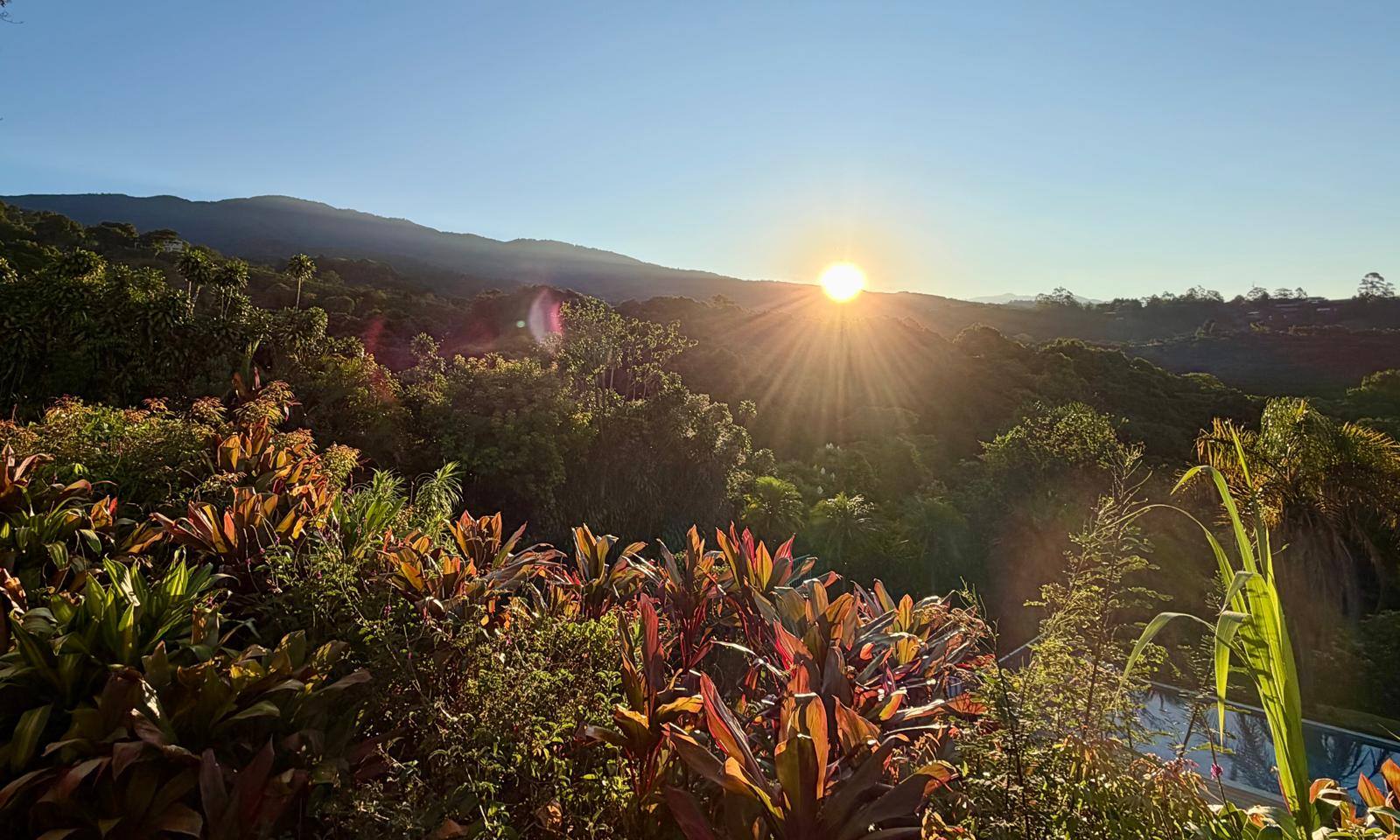
Morning arrives differently here. Before breakfast, the valley is already talking — and suddenly you are listening.
What you might hear
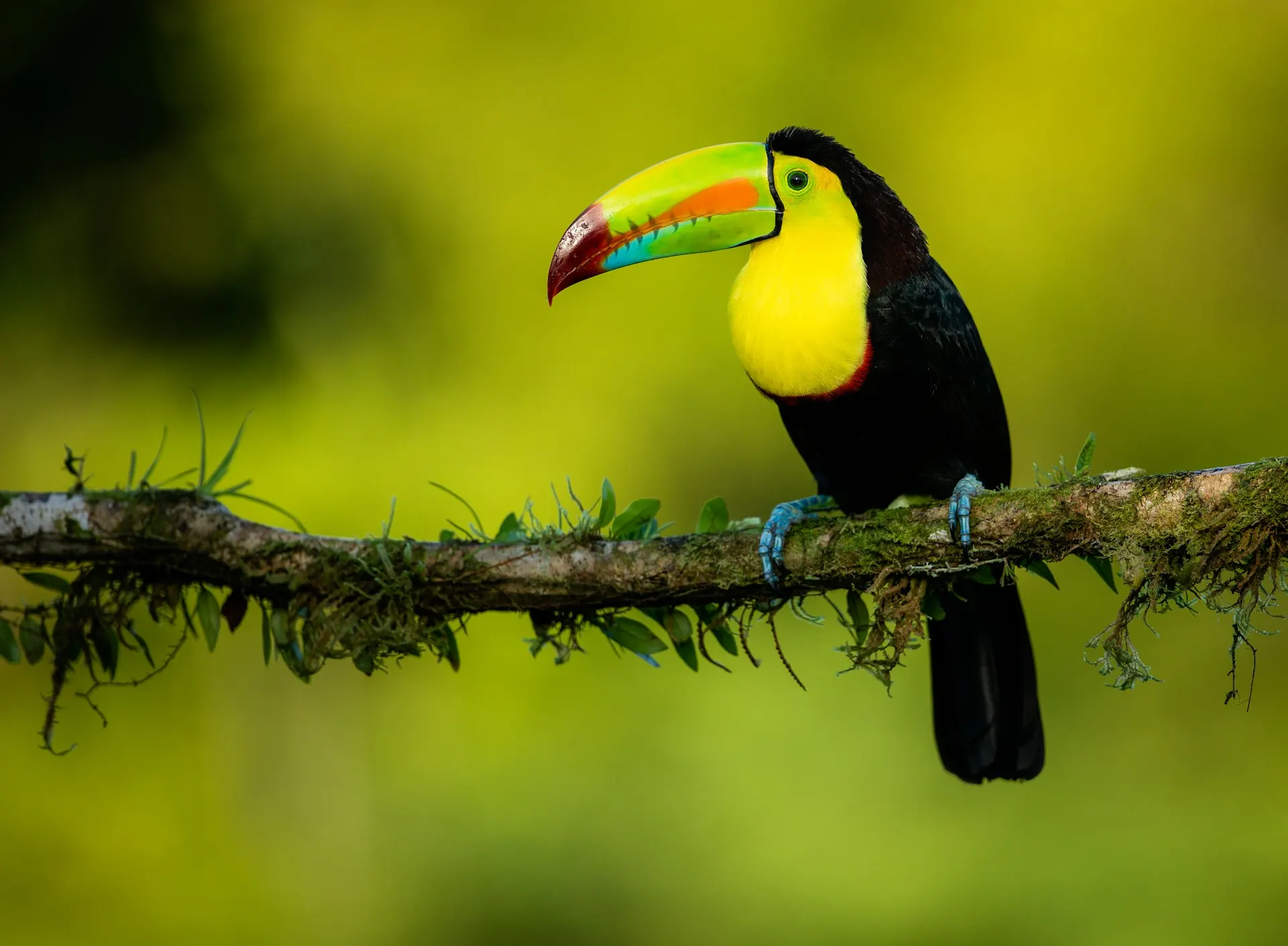
- A whistle from somewhere in the trees
- Parakeets chattering overhead
- A hummingbird — here for a second, then gone
- A call you can't quite place
Nothing to accomplish
Birding is one of the simplest ways to reconnect with the natural rhythm around you. There is nowhere to rush — only look, listen, wait, and notice.
Research links time with birdlife and birdsong to greater wellbeing; watching birds shifts your attention from yourself toward the living world.
Your morning ritual
Turn an ordinary morning into something else: Costa Rican coffee, a quiet spot outside, and seeing who arrives.
Bring your gear
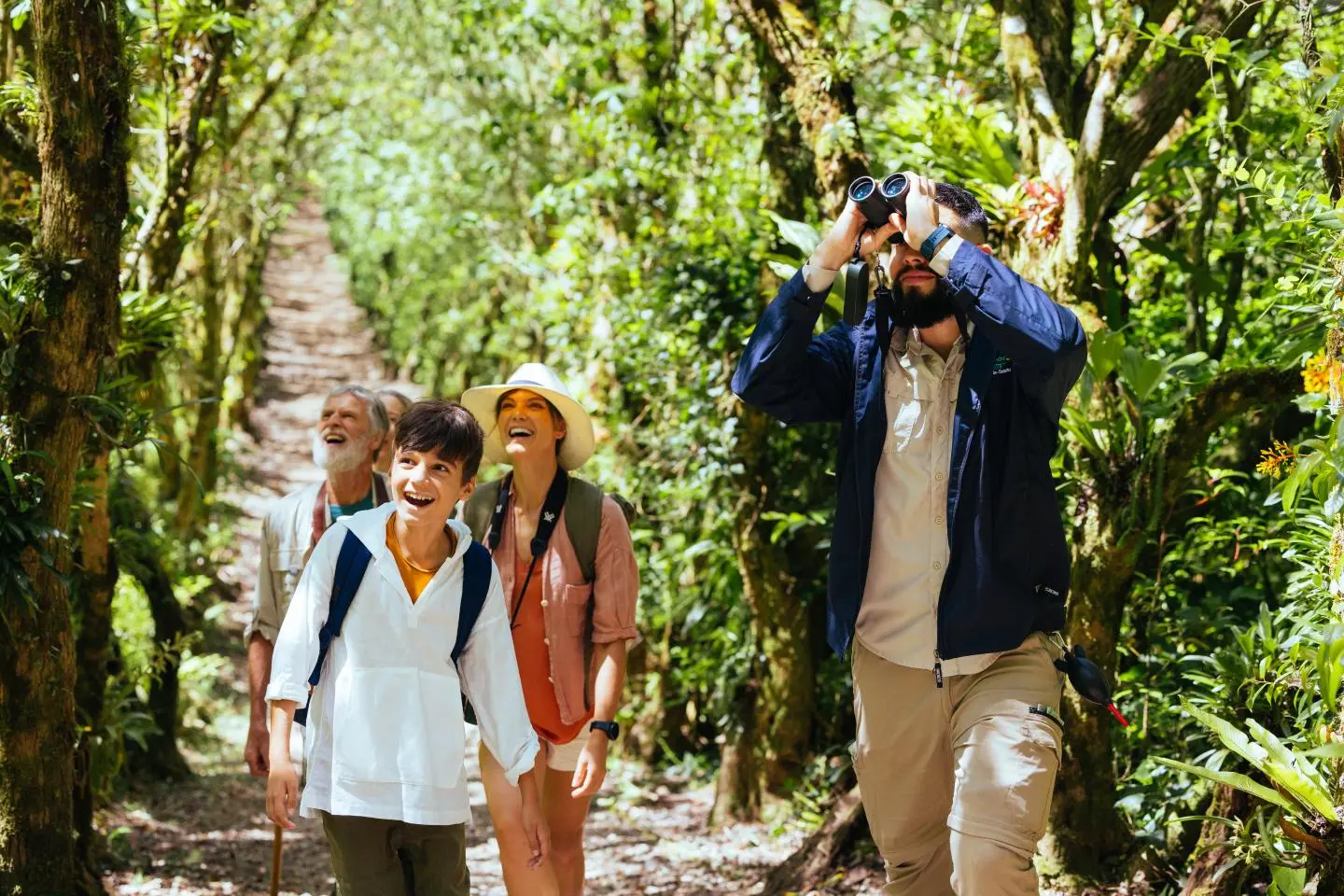
To capture the essence of wildlife at Mango Valley, we recommend bringing your own binoculars and camera or telephoto lens. We do not provide equipment on property.
The terrace and trails are designed for observing and photographing at your own pace. A light tripod can also be very useful on the denser cloud-forest trails.
Your Digital Guide: Merlin Bird ID
Identify the birds you see and hear with the free app from The Cornell Lab. An indispensable tool for any explorer at Mango Valley.
The Mango Valley birding brag list
The birds worth waking up early for
This is where we speak directly to serious birders.
Not every bird is easy.
And that's the point.
For birders, there is a special kind of thrill in searching for the species that might be there — knowing that patience, weather, season and a little luck all have to come together.
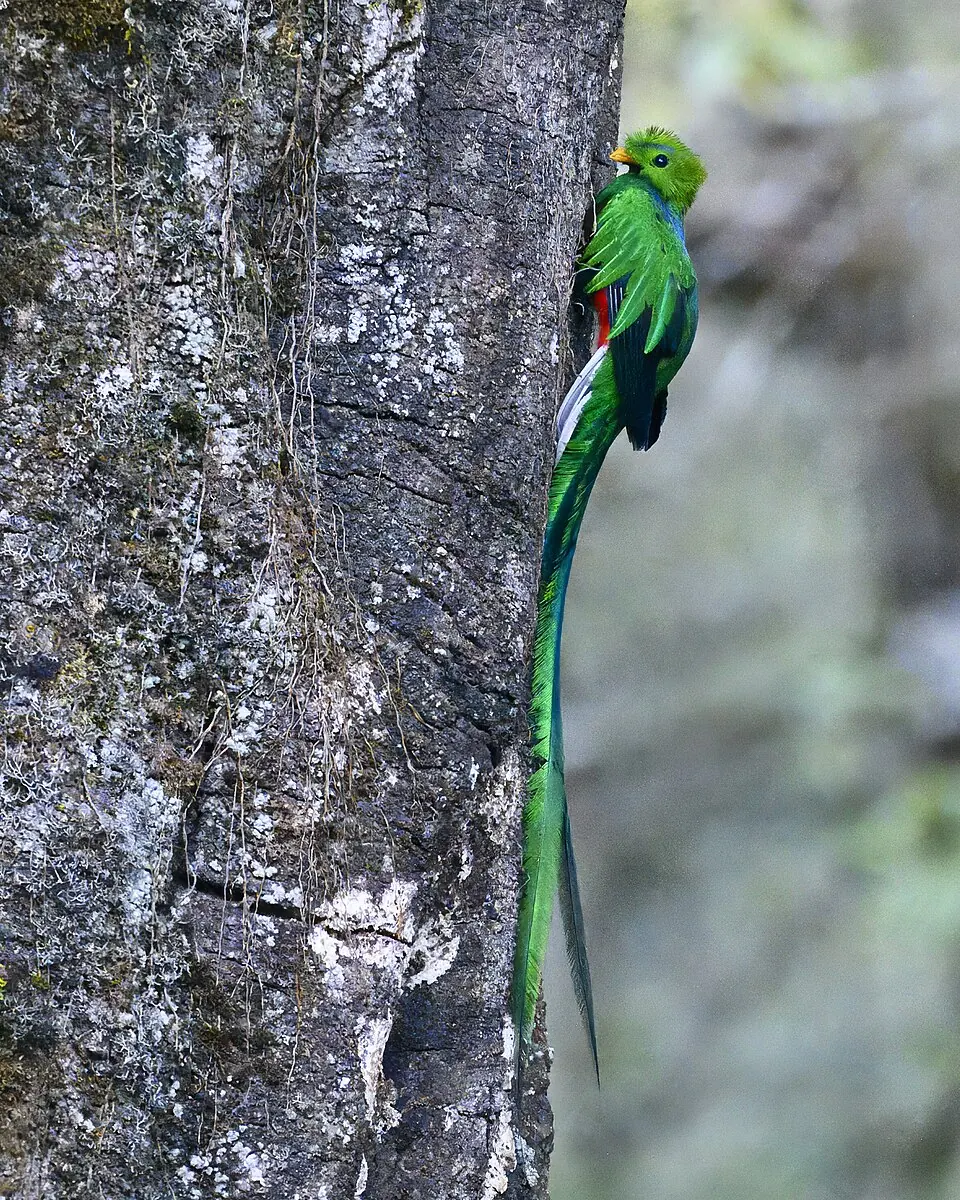
Resplendent Quetzal
The crown jewel
This is the one we build the story around.
Emerald green.
Deep crimson.
And, on adult males, astonishing flowing tail feathers.
The Resplendent Quetzal inhabits cloud forest and is documented in the Poás Volcano region, giving Mango Valley guests a legitimate reason to get up early and head into the highlands.
Brag factor: ★★★★★
Coppery-headed Emerald
The one you can only come to Costa Rica for
For serious birders, this may be an even better marketing bird than a toucan.
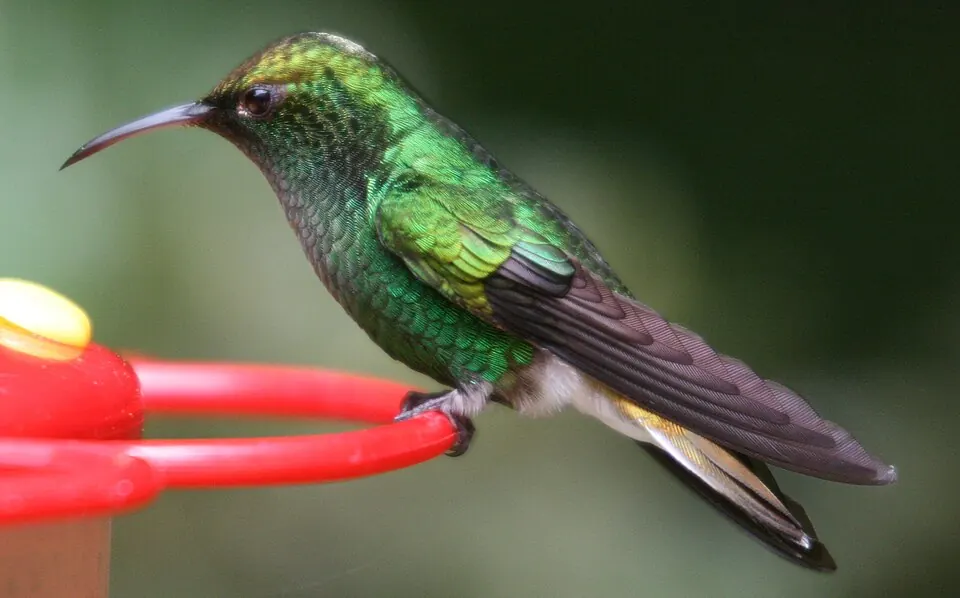
The Coppery-headed Emerald is endemic to Costa Rica and has been documented at Catarata del Toro in Bajos del Toro, within your excursion region.
That means a visiting birder doesn't simply want to photograph it.
They may need Costa Rica on their life list to get it.
Brag factor: ★★★★½
Black Guan
Cloud-forest giant
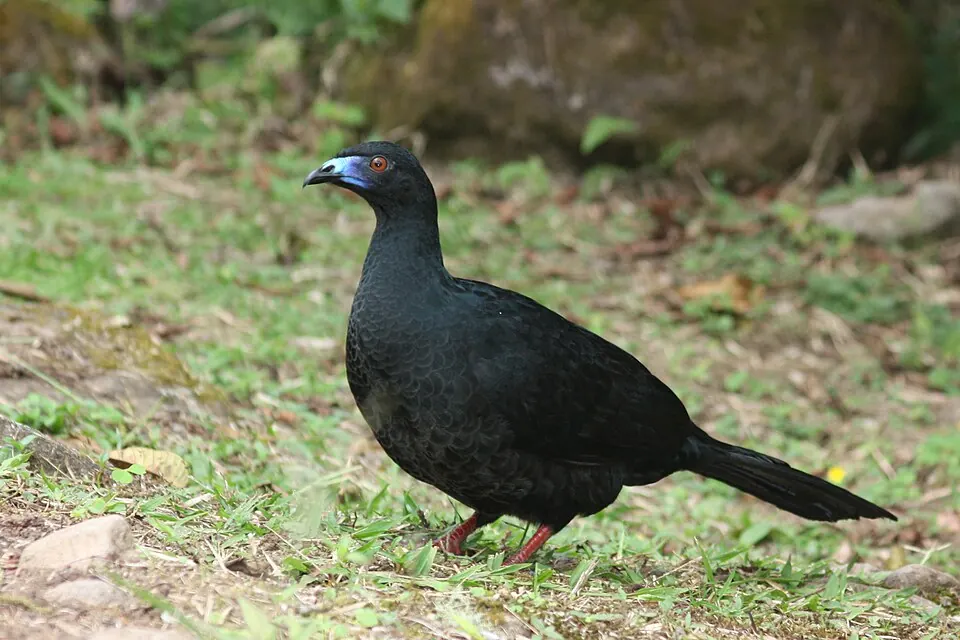
Large, dark and surprisingly elusive in cloud forest.
The Black Guan is restricted to Costa Rica and western Panama and has been documented in the Bajos del Toro area.
Brag factor: ★★★★☆
Black-bellied Hummingbird
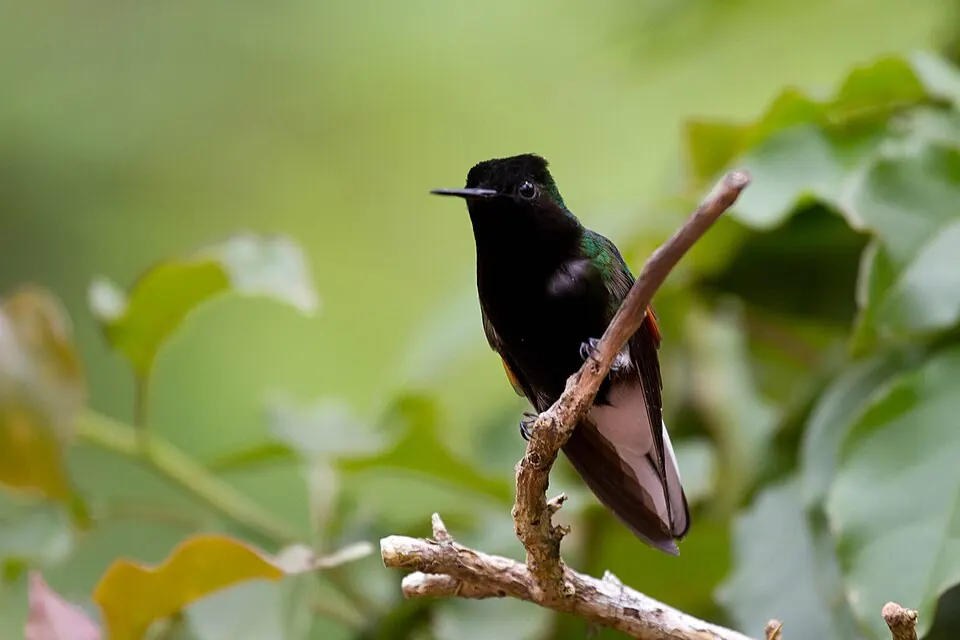
A beautiful highland hummingbird recorded in the Poás region.
It isn't the bird an ordinary tourist necessarily knows to look for.
Which makes it exactly the kind of bird an experienced birder does.
Poás records include Black-bellied Hummingbird alongside several other sought-after hummingbird species.
Brag factor: ★★★★☆
Flame-throated Warbler
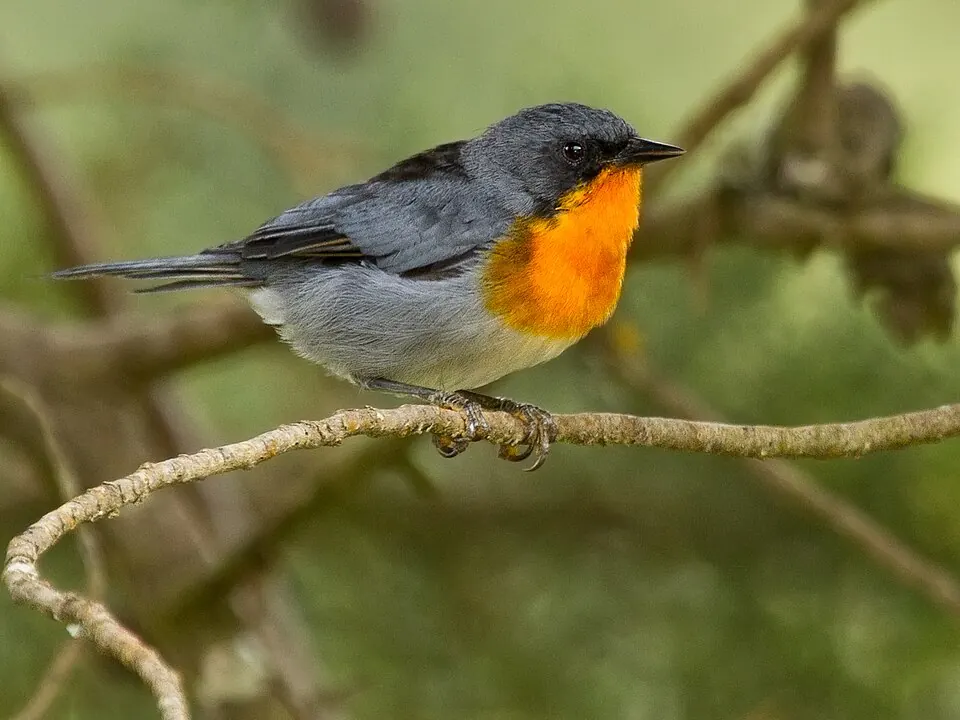
A small but magnificent highland bird whose vivid throat looks exactly as advertised.
A classic Costa Rican mountain specialty and one of the species regularly associated with Poás birding.
Brag factor: ★★★★☆
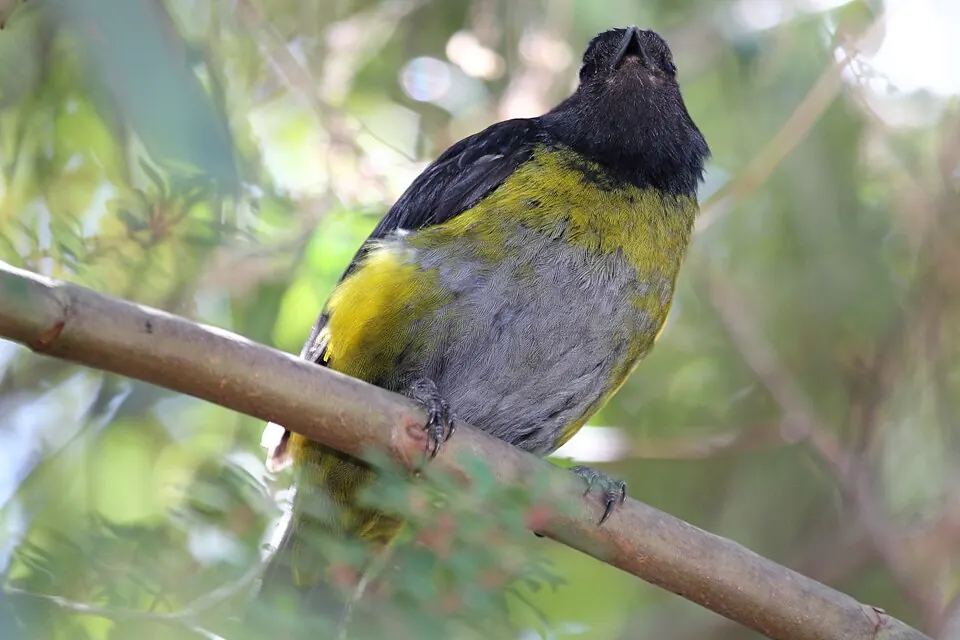
Black-and-yellow Silky-flycatcher
The name alone sounds like something a birder needs to find.
It's a Central American mountain specialist found in the Poás highlands.
Brag factor: ★★★★½
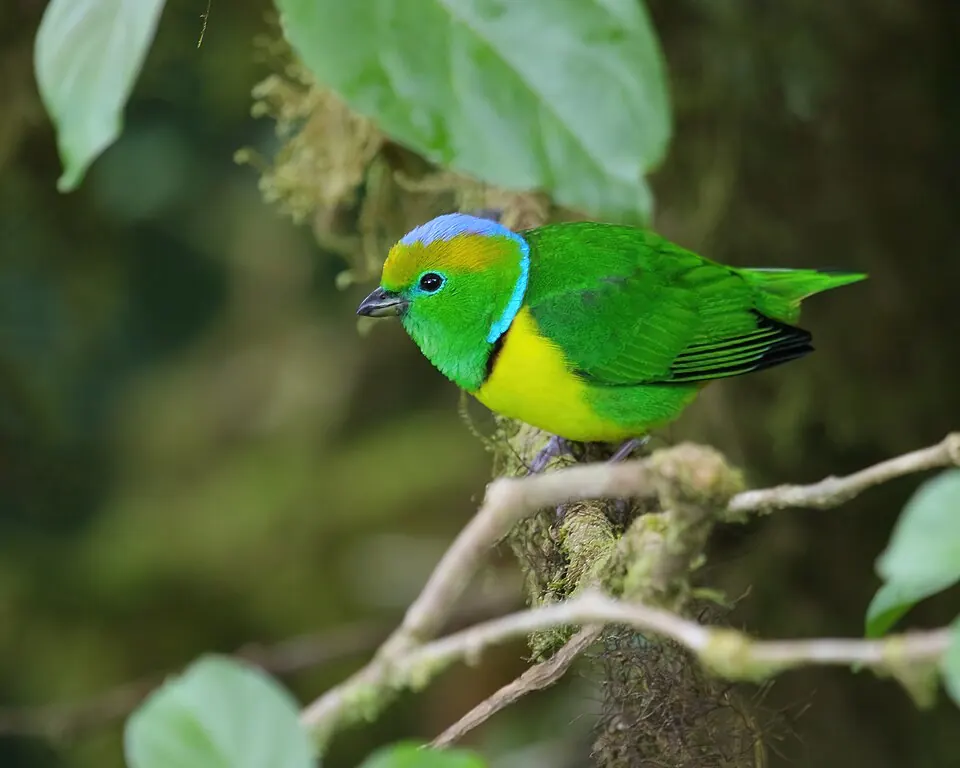
Golden-browed Chlorophonia
If someone designed a tropical bird using colors from a jewelry box, this might be the result.
Small.
Green.
Blue.
Yellow.
And astonishing.
Brag factor: ★★★★☆
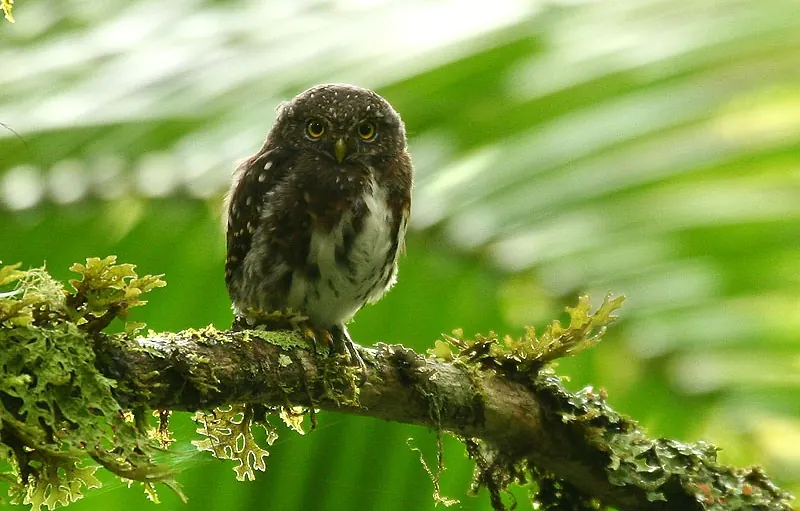
Costa Rican Pygmy-Owl
The serious birder's challenge
Now we're entering genuine chase territory.
Professional birding guides working the Poás slopes list Costa Rican Pygmy-Owl among the uncommon species they may encounter there.
Don't promise this bird.
Advertise the possibility.
That's much more enticing to an experienced birder.
Brag factor: ★★★★★
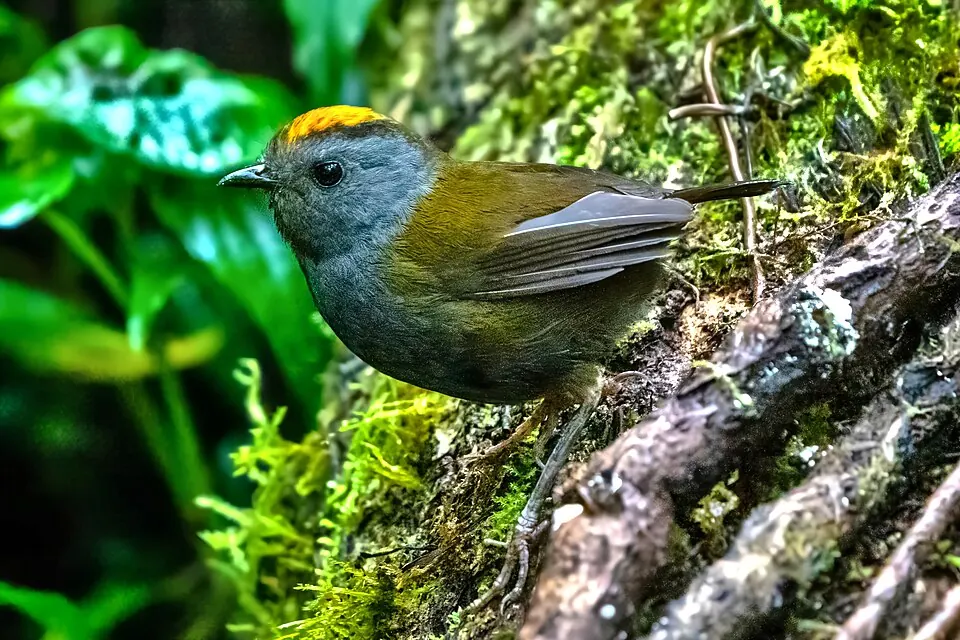
Wrenthrush / Zeledonia
An odd little highland bird so evolutionarily distinctive that birders often know it simply as Zeledonia.
Poás-area birding specialists identify it among the uncommon regional targets.
Brag factor: ★★★★★
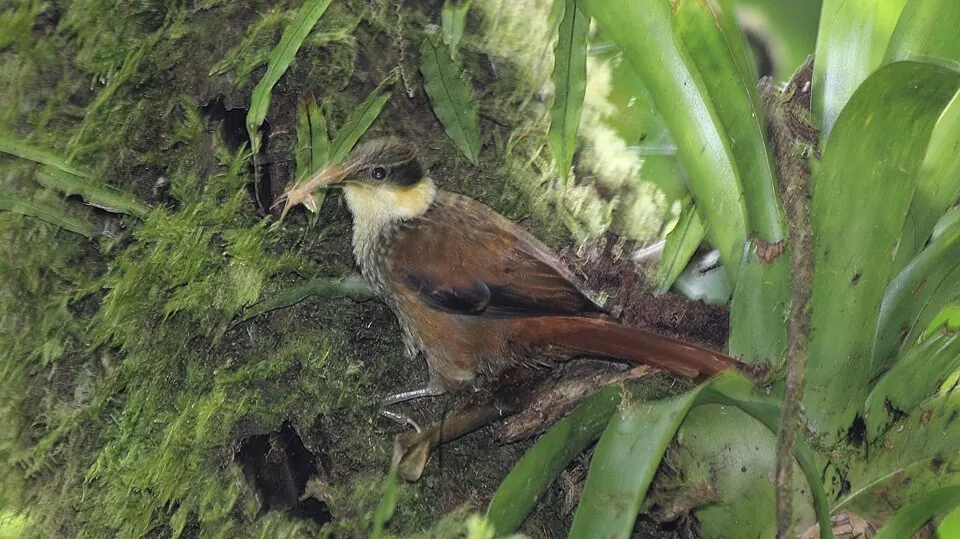
Buffy Tuftedcheek
Another bird that will mean almost nothing to the average vacationer.
And quite a lot to the right birder.
It is among the uncommon highland species that specialist Poás birding trips actively search for.
Brag factor: ★★★★★
Birds of the Alajuela region
Regional records from Alajuela, the Poás highlands, and Bajos del Toro cloud forests — including Mango Valley sightings and nearby eBird hotspots with 300+ species historically.
Filter by category
Gray-headed Chachalaca
ForestOrtalis cinereiceps
Woodlands and fruiting areas
Famous for its loud, chaotic morning conversations

Red-billed Pigeon
PigeonsPatagioenas flavirostris
Mango Valley · CR-A
Jan 14, 2026
White-winged Dove
PigeonsZenaida asiatica
Mango Valley · CR-A
Apr 5, 2026
Black Vulture
RaptorsCoragyps atratus
Mango Valley · CR-A
Jan 14, 2026
Gray Hawk
RaptorsButeo plagiatus
Mango Valley · CR-A
Jan 14, 2026